Related Posts Widget for Blogs by LinkWithin

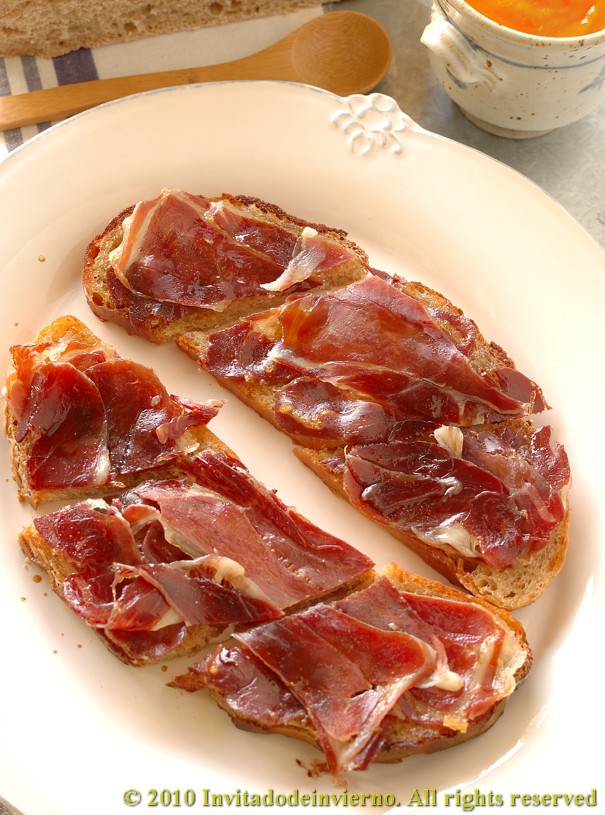
Magras con tomate, a tapa of Spanish ham on tomato sauce

>> Tuesday, September 28, 2010

Magras tomate 4

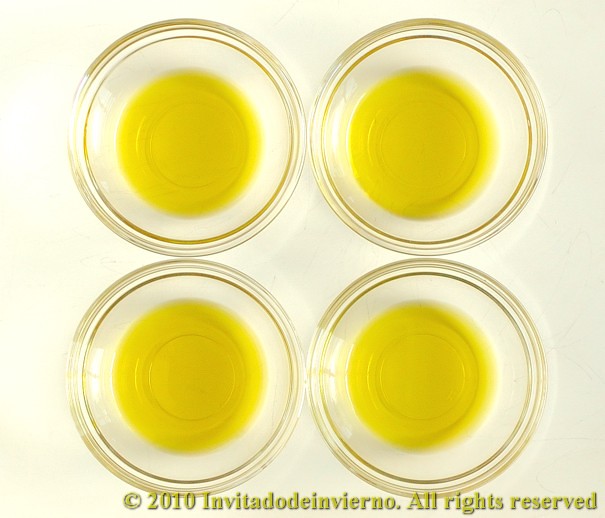
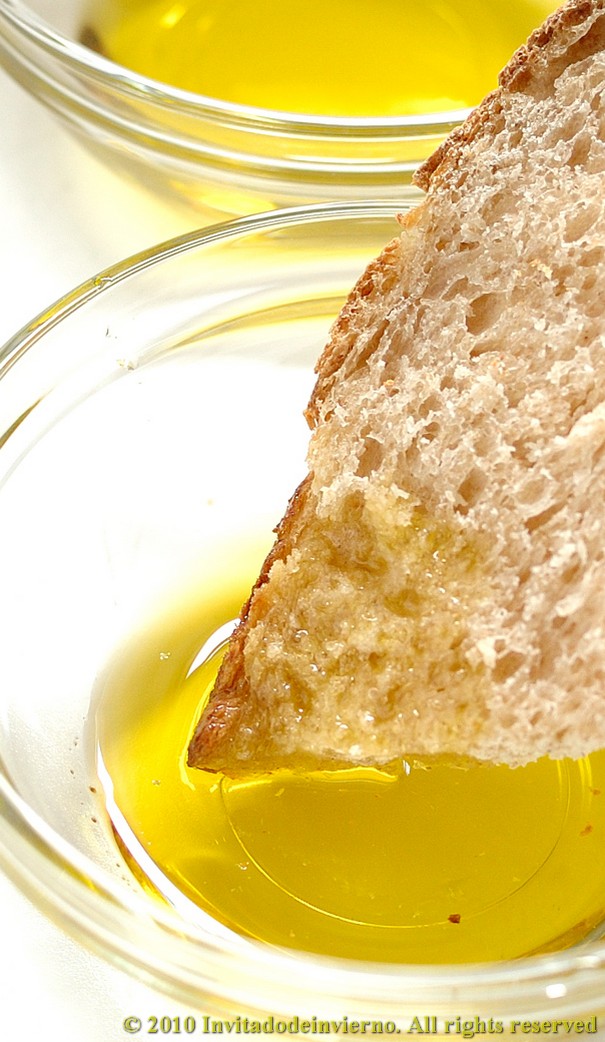
I recently won a pack of Spanish extra virgin olive oil in a food photo contest, of four different varieties. So I decided to make an oil tasting with some homemade bread, a sourdough one, now that the weather is not so hot and I can use my oven without suffering a heat stroke in my own kitchen. Besides the time has come to stop publishing foreign and sweet recipes and make something Spanish to the core, as well as simple and nourishing, to put my new oil to good use: magras con tomate... before I go on a diet. Yes, my dear little children, I've repeatedly commited the sin of gluttony along the past summer and this summer in particular has placed me in the launchpad to hell. So I compulsorily need to lose some body bacon before the next great culinary orgy: Christmas. That's the story of my life... inflating and deflating.


Cata aceite 1

The bread recipe isn't relevant here. Only the magras recipe is essential for mankind.
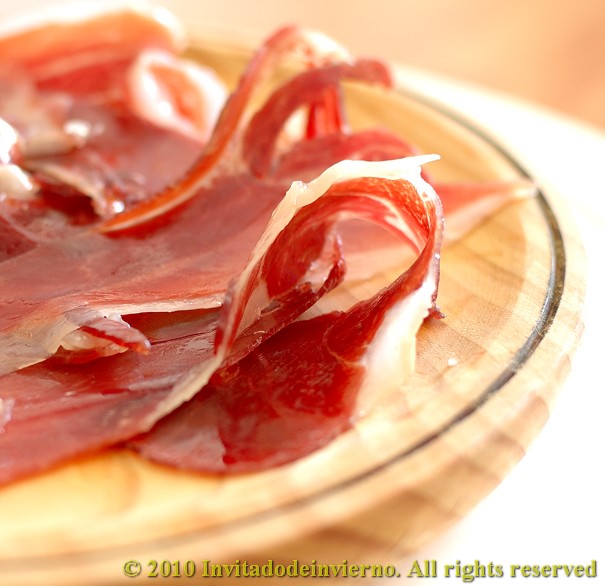
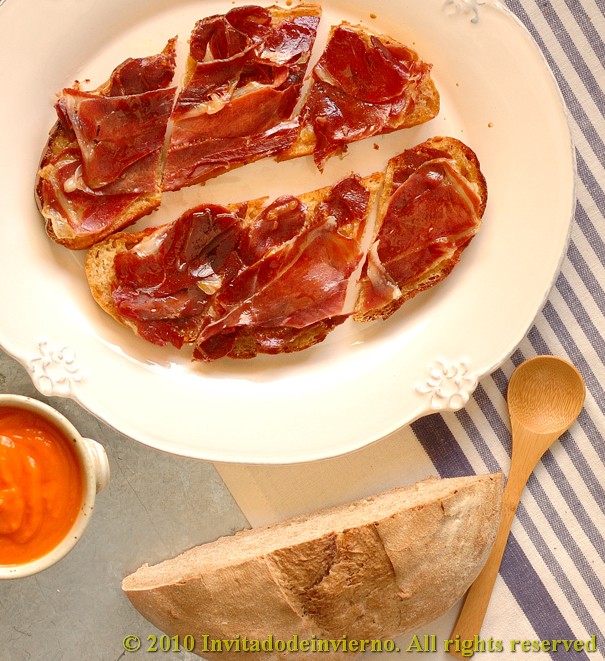
Magras con tomate are typical from Navarra and Aragón, two historic regions in Northeastern Spain and they consist of some large Spanish serrano ham slices of varying thickness, lightly fried in oil and then eaten on some large bread toast with a sugary-winey sauce and tomato sauce on the side, or simply heated in the tomato sauce after frying, without the bread and the wine sauce. I prefer the first version. By the way, don't mistake serrano ham for Ibérico ham. The latter comes from a native breed of pigs and it's more expensive (and succulent) than simple serrano ham. For this dish regular serrano ham can be used. No need to buy a very expensive ham, as you're going to fry it.

Cata aceite 2

Magras tomate 1

For making these magras con tomate I recommend to use a nice, thick, homemade tomato sauce. The net is packed with recipes, so just choose the one you prefer. And homemade bread is a good addition too. If you're not willing to make your own bread, buy a good one, but not whole wheat bread. The whiter the better.

Magras tomate 2

Magras con tomate
Yields 4 servings:

  • 4 large slices of serrano ham or more, as needed to cover the bread slices
  • 4 large bread slices, not too thick
  • 2 tbsp vinegar
  • 2 tsp sugar
  • 1/2 glass white wine
  • Extra virgin olive oil
  • Thick tomato sauce to taste
  1. Serrano ham gets very salty when fried, because of the water loss, that causes the salt to concentrate. This can be avoided by soaking the slices in tepid milk for 10 minutes before frying. Then drain and pat dry with kitchen paper. I don't mind the saltiness, so I don't do it. Pour a couple tablespoons oil in a frying pan and lightly fry the slices on low heat. No need to overdo it, just let them change color, then take out of the pan onto a plate. Cover to keep them warm.
  2. Lightly fry the bread slices in the rendered fat, set aside and keep warm too.
  3. Without turning off the heat, add the sugar and stir to caramelize. If the bread has soaked all the fat, you can add some drops of oil. When the sugar is toasted, turn off the heat and add the vinegar and wine; cover the pan as the liquids will splash a bit. Then put on low heat again and reduce the sauce while the caramel dissolves in it, for 2-3 minutes.
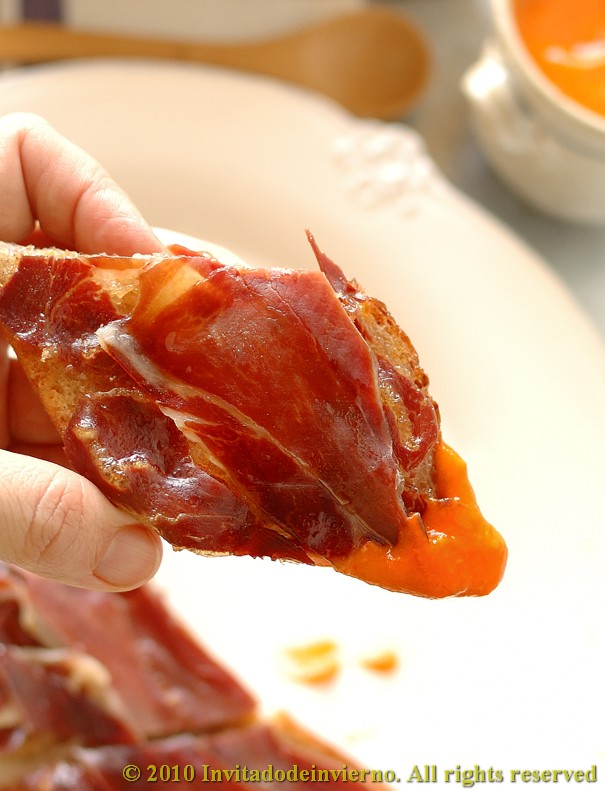
  4. Place the ham on the bread slices, drizzle with the hot wine sauce and serve with the warmed tomato sauce on the side, as a dip. Enjoy!
Magras tomate 5

I think the sweet-sour sauce on the salty ham makes a fantastic combination. And don't think my tomato sauce is radioactive, its orange color comes from a lot of onion and carrots I use in the making.

Eager to know more?

German rote grütze with waffles

>> Saturday, September 18, 2010

Rote grutze 1

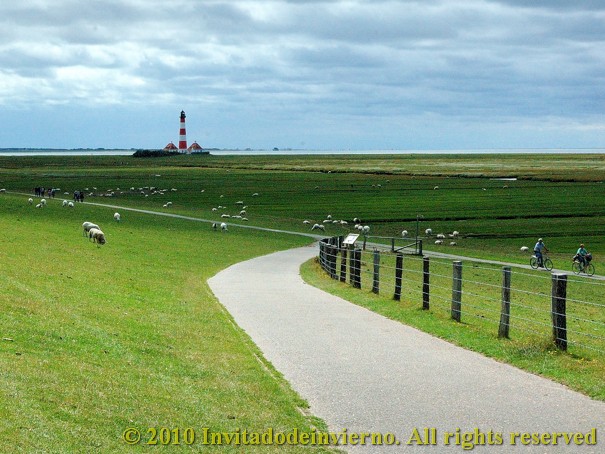
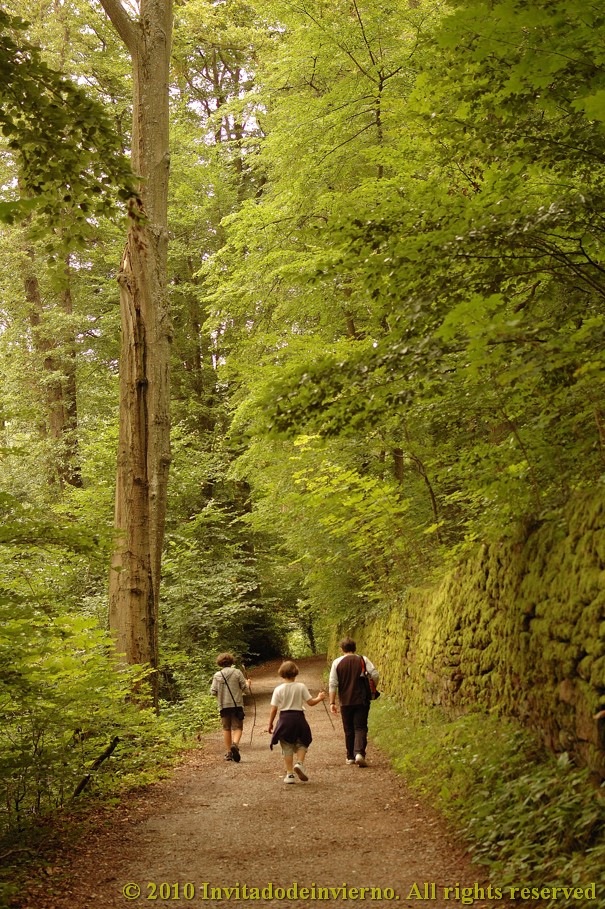
One of D's sisters lives in Kiel, north of Hamburg, in Schleswig-Holstein (I love that name...). As I told you before, this year we spent a week up there. Most of the family gathered there, 19 individuals in total, with cousins, friends, girlfriends and other animals, to explore the region of North Frisia. Friesland, the coastal area that borders the southeast corner of the North Sea, is a historical region that was divided in 1815 in Friesland in the Netherlands, and in East Friesland and North Friesland, Germany (this blog is sooo intelectual). This is a most flat region. The plain goes on into the sea and the coast is made of very large shoals, with many beaches where you can walk miles from the shore and the water won't reach up your knee. There are islands battered by the wind, beaches with sand so fine that it seems flour, full of fiery kites, colorful lighthouses, bright green meadows brimming with cows and sheep, and endless skies. A perfect place to relax.


Germany 2

I can't speak of all Germany, as I know little more than this small area in the north, but I can assure you here they are excellent bakers and pastry makers. The bäckerei-conditorei, that is bakeries and pastry shops, are a constant temptation with their array of varied breads and kuchen. As for the bread... I was almost in tears one day that, while sniffing among the various bread flours in a supermarket of the mini-village where we were staying (not too bad, not speaking German), I stumbled into some sourdough on sale, in liquid and solid state, ready to go... Now it seems so logical that this country is at the top of Europe. They deserve it! At least when it comes to bread, they rule...
Germany 4

Germany 5

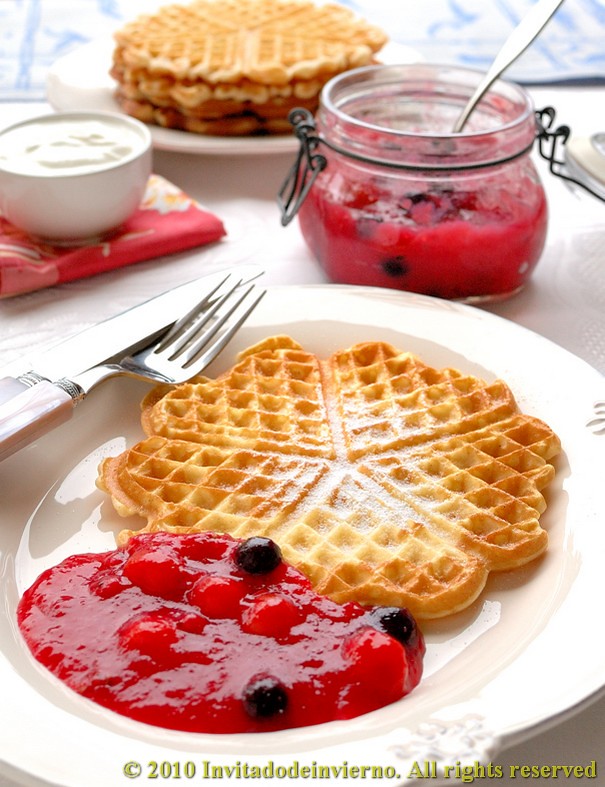
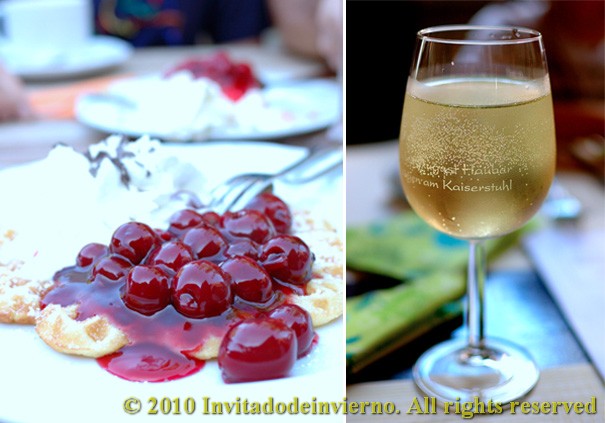
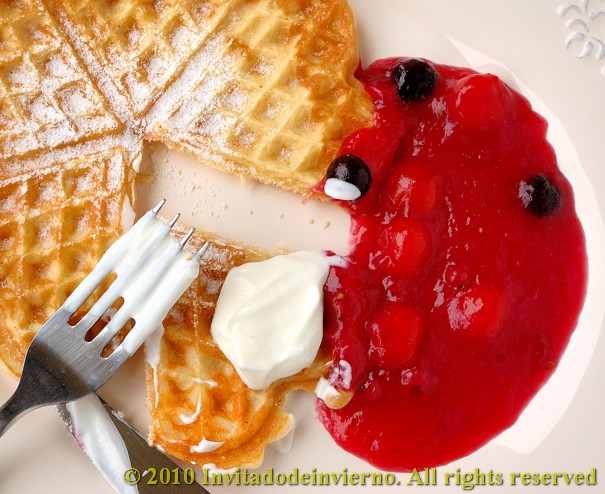
Oh, and they also have waffles with sour cherry sauce...
Germany 6

Have I told you that they make some waffles with sour cherry sauce that make you levitate?

Germany 3

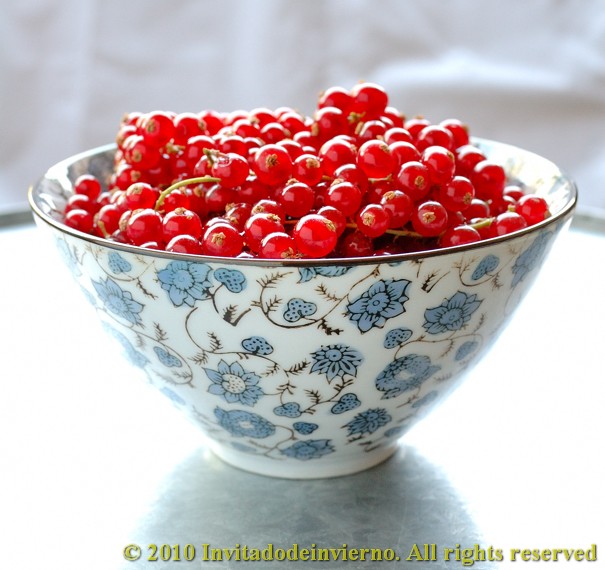
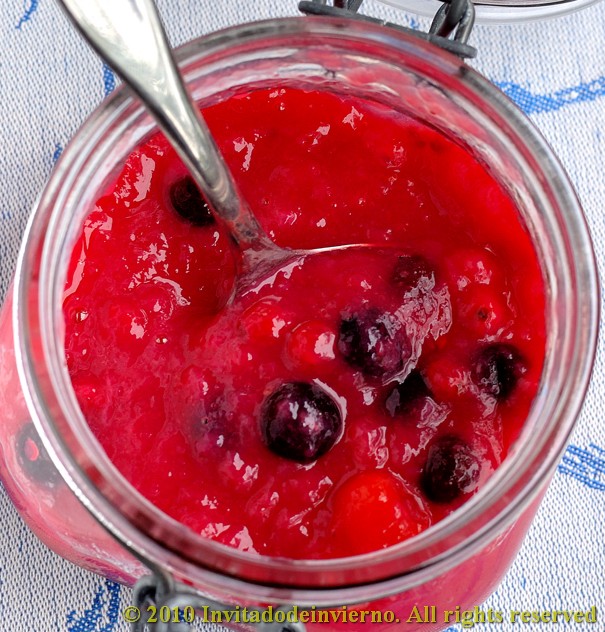
So... what better way to commemorate our trip to Germany than to cook a traditional dessert popular in the area (although it's also consumed in other parts of Germany), rote grütze... Rote grütze means something like red porridge (gruel or porridge made of coarse flour or hulled grain), because this dish was originally a pudding or porridge whose thickness could vary, but it was some kind of cereal cooked in seasonal red berries juice, plentiful in the area, that is currants, raspberries, sour cherries, etc. (although usually without strawberries). It is now more often found as a sauce, with a dense core of fruit juice thickened with corn starch and abundant whole red berries. The recipe comes from a German book I bought on a previous trip. As I said, I don't speak German, but I know most of the names of the ingredients and the rest... well, you just put a bit of imagination to work or get it into Google Translate. Nor is it so difficult, the recipes consist of a few simple instructions, the book is not a study by Goethe.
Germany 1

Rote grütze is traditionally accompanied by a vanilla sauce, but it's no heresy to have it with ice cream or cream cheese. And in this case also some delicate waffles on Northern German style, which I call light not because they are light in themselves, but because they're light to me compared with the leaden Belgian waffles.
Rote grutze 2

Rote grütze with waffles
For rote grütze (adapted from this book):

  • 500g assorted red berries (cranberries, sour cherries, redcurrants, raspberries, etc.)
  • 1 liter water
  • 4 tbsp corn starch
  • 1 dash red wine or rhum
  • Sugar or sweetener to taste (I used 100g agave syrup, but this is very personal)
Rote grutze 3
  1. Wash and drain the fruit. Separate the little stems. Set aside about 150g of fruit to add at the end. Place the rest of the fruit in a saucepan with the water and bring it to a boil. Cook half an hour, stirring frequently.
  2. About five minutes before ending the boiling, add the wine or rum, to make sure that the alcohol evaporates. After half an hour remove from the heat and pass the mixture through a food mill to remove all the hard bits of the fruit. You'll obtain a somewhat thick juice (or a liquid purée, depending how you look at it). Put it on the heat again.
  3. Dissolve the cornstarch in the minimum amount of water and add it to the boiling juice, stirring vigorously to avoid any lump. If it's not very smooth, you can always blend it. Add the sugar or sweetener you like and test for sweetness. Please note that it should be on the sweet side, because after cooling the sweetness is always less noticeable.
  4. Then add the reserved fruit and let it cool, so that the fruit softens slightly. Keep it in the fridge.
Please note that this concoction is quite perishable, since it doesn't have the cooking time nor the concentration of sugar in a jam, so you need to keep it in the refrigerator and eat it within a few days. But... I don't think it will last too long, do you?

For the waffles (adapted from this book), yields around 10 waffles:
I modified the recipe to use agave syrup, that being a liquid affects the other ingredient's ratios. I know, what's the use of ruling out sugar when you add scoops of butter... but that's one of my typical contradictions. So I'm giving you both recipes, with sugar and with agave syrup... because you make my day.

With sugar:
  • 150ml boiling water
  • 300g all-purpose flour
  • 4 large eggs
  • 160g sugar
  • 200g melted butter
  • 1 tsp baking powder
With agave syrup:
  • 150ml boiling water
  • 300g all-purpose flour
  • 4 large eggs
  • 100g agave syrup
  • 180g melted butter
  • 1 tsp baking powder
Of my own will I added 2 large pinches of powdered vanilla and another 2 of cinnamon.
  1. I couldn't quite understand the purpose of the boiling water, I guess is to scald the flour, but the recipe doesnt indicate the order to add the ingredients, but just calls for you to mix everything at once... So I brought the water to a boil and threw in my flour, obtaining a funny paste.
  2. Then I added the butter and eggs, mixed thoroughly in a good blender or stand mixer to homogenize, and then everything else. I mixed again and turned on the waffle iron.
  3. Spread a little butter on the hot waffle iron and proceed to cook the waffles as directed on the appliance manual. When possible, try to serve the waffles warm, because they're so more delicious. Although my children eat them even the next day.
  4. So for a nice German kaffee und kuchen, between 3 and 4 in the afternoon, serve a dish of waffles, another dish with rote grütze and some other accompaniment, then help yourself to one waffle, generously sprinkle it with powdered sugar, add a heaped serving of rote grütze and... just eat everything using the waffle as a spoon.
Rote grutze 4

And by the way, if you visit this part of the globe do not fail to eat waffles with sour cherry sauce. Had I told you before?

Eager to know more?

Danish crumble and... 2 awards received!

>> Saturday, September 4, 2010

Danish crumble 2

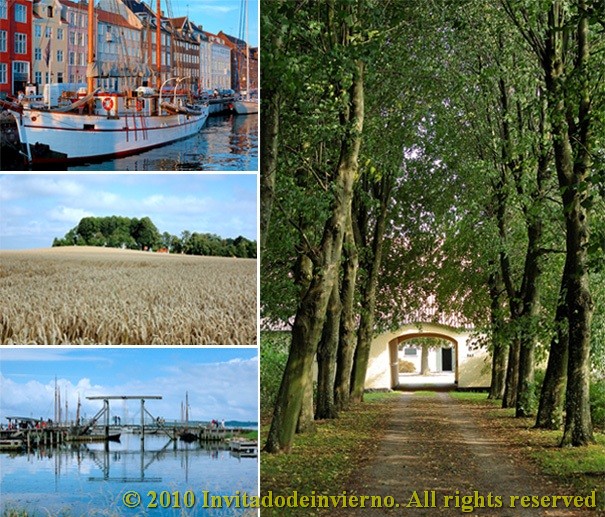
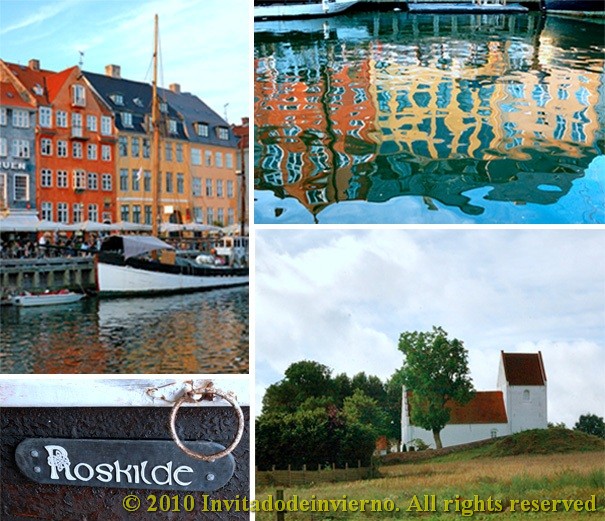
Yes, these holidays we've been to Denmark, only four days, but that's better than nothing. No, we didn't dine at restaurant Noma in Copenhagen, elected this year the best restaurant in the world (but because we didn't want to...). Yes, the weather wasn't perfect, one day it poured so heavily we had to stay at home. No, we didn't enjoy the light and interesting new Danish cuisine, we travel with children and that explains everything. Yes, I bought quite a few kitchen towels and a couple of cookbooks. No, we didn't see the famous Little Mermaid because the little rascal was spending her vacation at the Expo in Shanghai, what a shame. Yes, you all should watch the Danish film Babette's Feast, not only because it's charming, but because knowing the austere Calvinist history of gastronomy in this country we can really appreciate how much it has improved. And yeah... Vikings are damn good looking. The looks of Viggo Mortensen make all the sense now.


And now to the awards: I have won one of the categories of August's DMBLGIT . And three days ago I got the news that my recipe of migas has been chosen among the 100 out of 1500 submissions and will be published in the Food Bloggers Cookbook by Foodista (and you can already pre-order the book on Amazon)... what a great way to start the course, don't you think?

Denmark 1

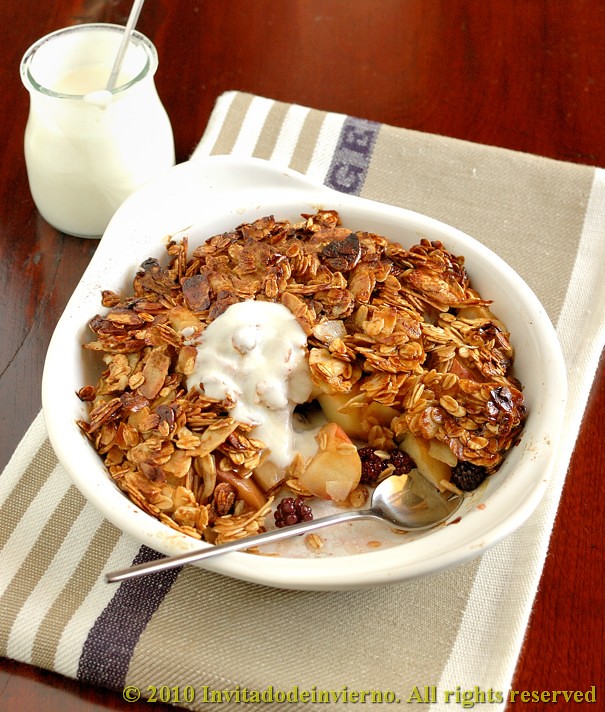
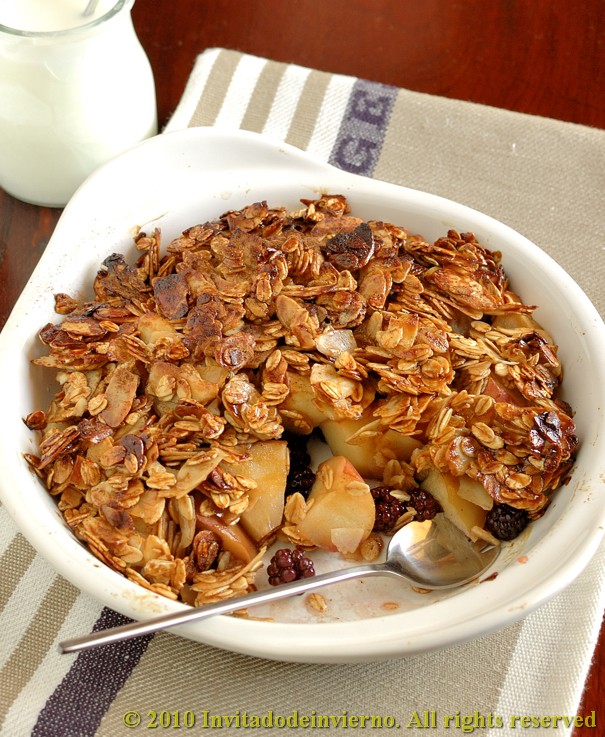
To get good advantage of a small shipment of wild blackberries, a gentle gift from my sister, beginning to ripen now, I thought of using them to make a simple crumble for breakfast with a Danish inspiration. Then I could shoehorn some photos of the trip. You may wonder what's Danish in this crumble. Well, the recipe was inspired by a book I bought in Copenhagen with delicious recipes prepared with typically Danish ingredients, in this case rolled oats. This dish is perfect to enjoy the fruits that
now begin to be in season. Maybe they'll have some flavor. It's also quite light, very appropriate after the culinary excesses of summer. What? You haven't put on any more weight? Well, I have. And as everybody knows, it's so simple to make an infant could make it. So bring on an infant...

Denmark 2

Apple and blackberry crumble (adapted from The nordic diet, Trina Hahnemann)
Yields 2 large portions or 4 more tepid ones

  • 1 apple and 1 pear or 2 apples *
  • 2 handfuls wild blackberries
  • 100g rolled oats
  • 2 heaped tbsp apple syrup **
  • 3 tsp agave syrup
  • 60g sliced almonds
  • 1 tsp cinammon
  • 25g butter
  • Greek yoghurt or whipped cream to garnish (optional)
* I love really tart cooking apples, but they require more sweetening. In this case I used Royal Gala and the amount of sweetener goes accordingly. You'll need further sweetening if you use more tart apples.

** I buy apple/pear syrup at the health store. It's a natural sweetener obtained by concentrating the fruit juice to molasses consistency. As I said before, it's perfect to add flavor to any dessert with apples, if you don't object to darkening the color of the dish, as the syrup has the color of motorcycle grease... You can also use any other sweetener to your taste, like honey, agave syrup, maple syrup or even sugar. Although you'll need to adjust the amount, of course.

Danish crumble 1
  1. Preheat the oven to 190ºC (convection).
  2. Cut the fruit in cubes, unpeeled, and mix in the blackberries.
  3. Butter a small oven dish or two individual dishes. Scatter the fruit and drizzle with the agave syrup.
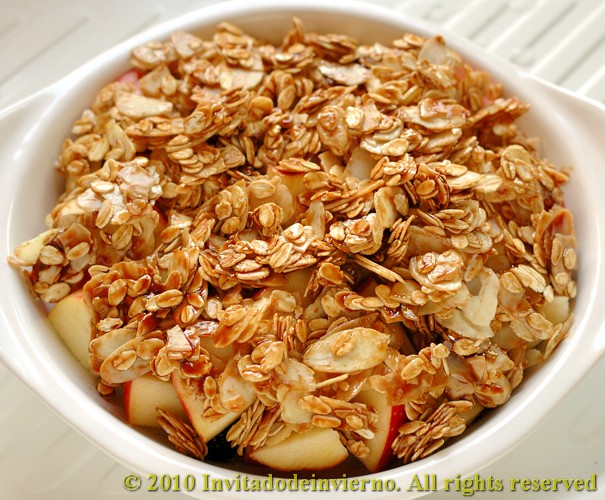
  4. Put the rolled oats, the apple syrup, the almonds and the cinammon in a bowl and toss to mix. Distribute the mixture evenly on top of the fruit and top with the diced butter.
  5. Cover the dish with aluminum foil (apple syrup caramelizes easily), put the dish in the oven and bake 30-40 minutes. Serve warm or cold, on its own or with a dollop of thick yoghurt or cream. Or if you dare ruin its lightness, add a scoop of vanilla icecream. Divine.
Danish crumble 3

When I told my kids about the awards I had won they asked me: But what will you get? 10 000 bucks?... Errrr... no. But I'm more than thrilled all the same.

Eager to know more?
L'Alsace is a kugelhopf

>> Wednesday, September 1, 2010

Kugelhopf 2

Where do you start when you have so much to tell? These holidays have been dense in events and encounters. They started out in Strasbourg, continued in Heidelberg, lingered in the German Nordfriesland, continued briefly in Denmark and culminated in the Netherlands... what a journey. 7000km of roads and feelings, fine rain and high winds, stifly heat and watery cloudy days, endless skies, close friends, relatives and associates, jokes, Nordic blues, bright greens, misty horizons, sunsets, ships, lighthouses, shoals, islands, castles, Vikings, channels, rowing boats, pools, bicycles, waffles, berries, fish sandwiches, barbecues... So many things? 25 days go a long way or so it seems. So I returned with my eyes filled with images, my suitcase full of ingredients from distant lands and heaps of recipes to try... Yes, proper cooking is the only thing I've really missed in this trip.


Strasbourg 5

So I have the intention of writing several posts illustrating the places we have visited on vacation. Although I don't make any commitment about it, because of the naturally chaotic flow of my mind and the demands of the times ahead, with the start of school involving a million things to do.

Strasbourg 3

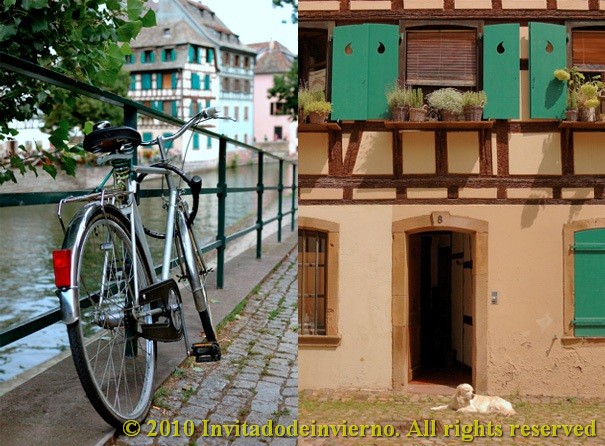
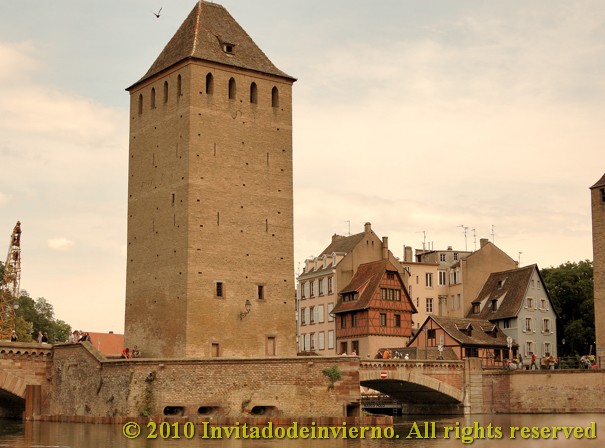
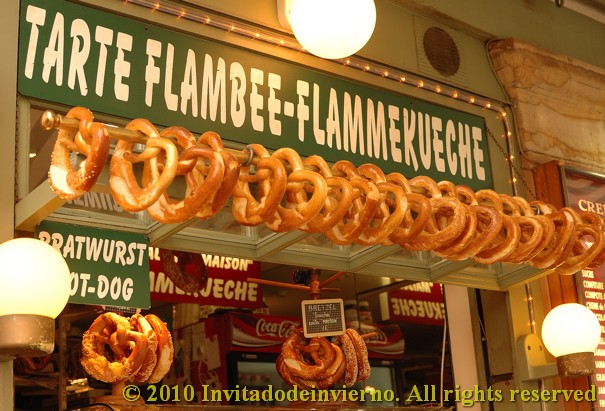
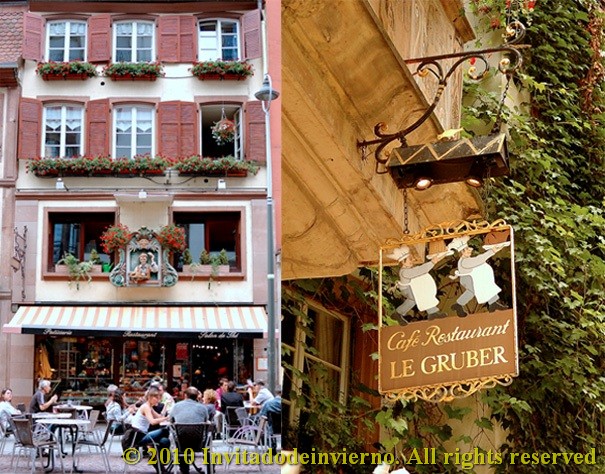
At our first stop, Strasbourg, Alsace, France, we stayed at a cute little hotel some thirty kilometers of the city, in a lovely Alsatian region called Little Switzerland. A dog and two cats dwelt in that hotel, and my kids fell in love with them all. A charming innkeeper looked after us very well. The city of Strasbourg, a name that we are used to connect to the headquarters of the European parliament, houses a beautiful old quarter, criss-crossed by numerous canals deriving from the River Rhine and full of medieval houses in half-timbered façades. I don't know why, but in these old streets I was all the time expecting to find a stinking mob cheering some poor prisoner's execution just around every corner...

Strasbourg 2

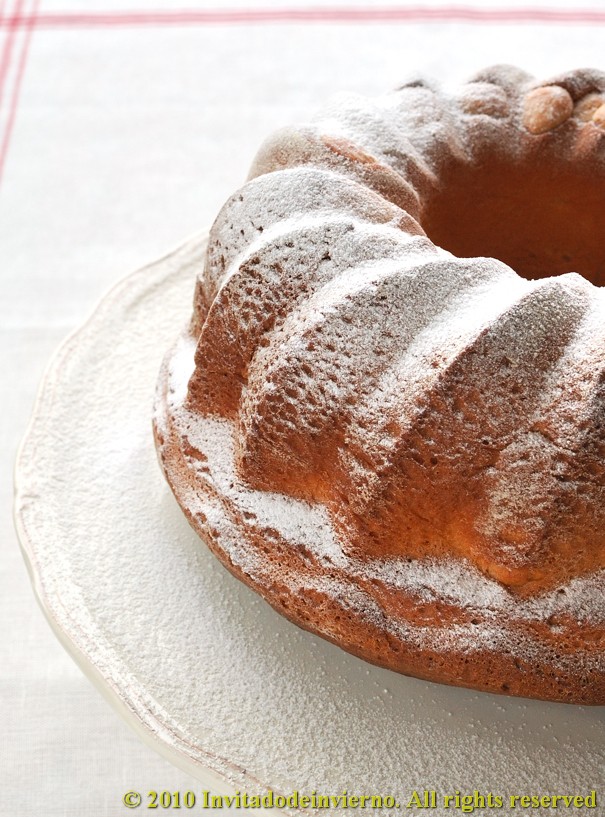
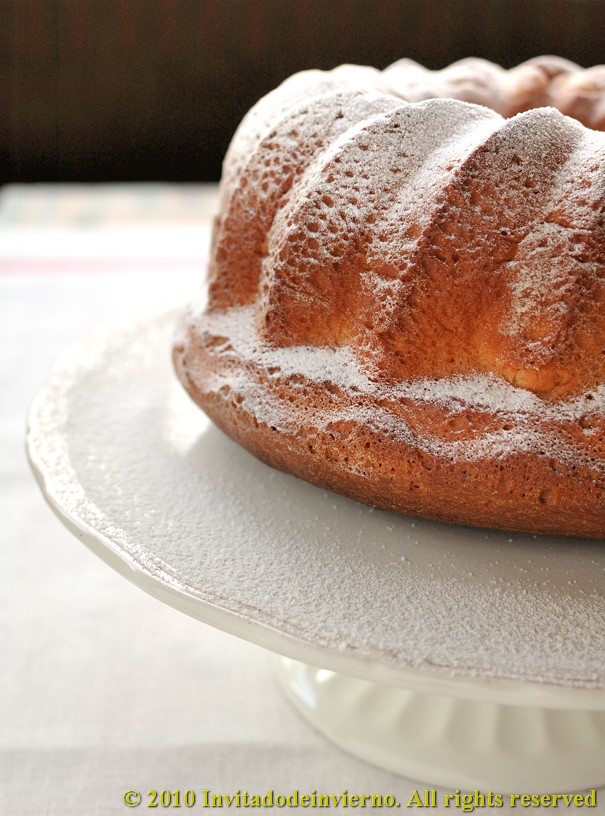
Perhaps the only frustration this trip has left in me, apart from having spent too little time with friends, is not having bought a traditional kugelhopf mold in Strasbourg. Does this word sound familiar? For those who've never heard about it, kugelhopf is a sweet bread enriched with butter and eggs, related to brioche, with a characteristic grooved shape and a central hole. Its introduction in France is attributed to Marie Antoinette (originally from Austria, therefore) and its name appears to derive from its resemblance to a hat used in the Middle Ages, named gugelhut. This cake is completely naturalized now in the Alsace region, where there is no family gathering or celebration without it. It is baked in a terracotta glazed mold from Soufflenheim, nicely decorated. I didn't buy one not only because they're not exactly cheap, but especially for its bulky size.

Strasbourg 4

But as I did buy a book with typical Alsatian recipes, here goes the famous bread. I do have a kugelhopf-like silicone mold, although less tall.

Kugelhopf 3

Kugelhopf or Köjlupf (recipe from Mon Alsace gourmande, Simone Morgenthaler)
For 2 molds of about 20cm diameter

  • 900g bread flour
  • 150g sugar
  • 15g salt
  • 300g unsalted butter
  • 4 medium eggs
  • 400ml milk
  • 40g fresh baker's yeast
  • 150g raisins (I didn't add them, my kids wouldn't have eaten the bread)
  • 75g whole almonds
  • 1 small glass kirsch (optional)
  • Icing sugar for sprinkling
  1. Let all the ingredients get to room temperature.
  2. Prepare a leaven with the yeast, half the milk and the right amount flour to make a batter-dough of medium consistency (I added 120g, but according to the subsequent results, I advise to add at least twice as much for the reasons explained below). Leave to ferment, well covered in a warm place.
  3. In a different bowl mix the remaining flour with the salt, sugar, eggs and remaining milk. This second dough was tough as a brick in my case, even after having reduced the amount of flour in 100 grams from the original. I think I messed up and more flour is needed in the leaven, so that the second dough is more manageable. Or maybe larger eggs should be used... Knead for 15 minutes. In my case I was on the verge of getting hurt because of the toughness of the dough and I added a bit more milk.
  4. When the leaven has doubled in volume, add it to this second dough. I sweated and toiled to mix something as soft as the leaven into something so hard, I almost lost my tendons in the attempt. And I appreciate my tendons a lot, they've been with me all my life... But surely the funniest task of all was adding the butter, after the leaven was incorporated... I had great fun, as well as getting sore hands and get into butter up to my eyebrows. I had to do this in three runs, because the dough was rebellious and shameless. After a while (I lost track of time...) the dough was reasonably uniform and elastic, so after ignoring the window-pane test, I locked the dough in a bowl (step back, you rogue!) and covered it in case it wanted to escape... or attack me. I left it to proof. Although I knew it would proof only if it wanted to... such a character. It took about two hours.
  5. Once doubled, tip the dough on the countertop and flatten with your hands to deflate, and incorporate the raisins and kirsch if desired. Anything containing alcohol is a good addition. I tell you. Although I should have added the alcohol to the damn dough while kneading, to narcotize it... Butter and flour the molds. I only have one Kugelhopf-like mold, so I used a loaf pan too. Placed the almonds on the bottom of both molds. Divide the dough and place it in the molds, which should be filled to something in between 2/3 and 3/4 of the height.
  6. Preheat the oven to 200ºC (air) while the dough undergoes the second fermentation, it should reach the edge of the pans. Bake in the oven about 20 minutes, after which the temperature can be lowered to 190ºC if the tops brown in excess. Continue baking another 20 minutes, that is 40 minutes baking in total. You can also cover the breads with foil. Remove the breads from the oven and unmold on a wire rack. Leave to cool and sprinkle with the icing sugar.
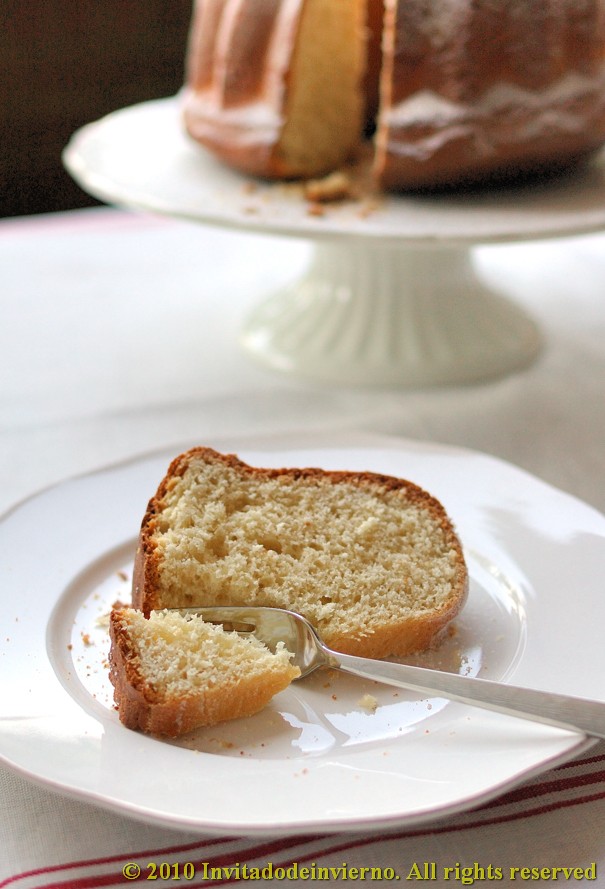
The breads were a bit too brown because of not having used the super-perfect-dreamy terracotta mold... when I say I "need" something it's because life is difficult without it. The bread is delicious, not sweet at all and with a salty punch. And if you have leftovers, it's perfect for French toasts... yum.

Kugelhopf 1

I'm sending this bread to Susan's Wild Yeast for the weekly YeastSpotting.

Strasbourg 1

Eager to know more?
Followers

About This Blog

Lorem Ipsum

  © Blogger templates Palm by Ourblogtemplates.com 2008

Back to TOP